A message from Dr. Mary Chammas
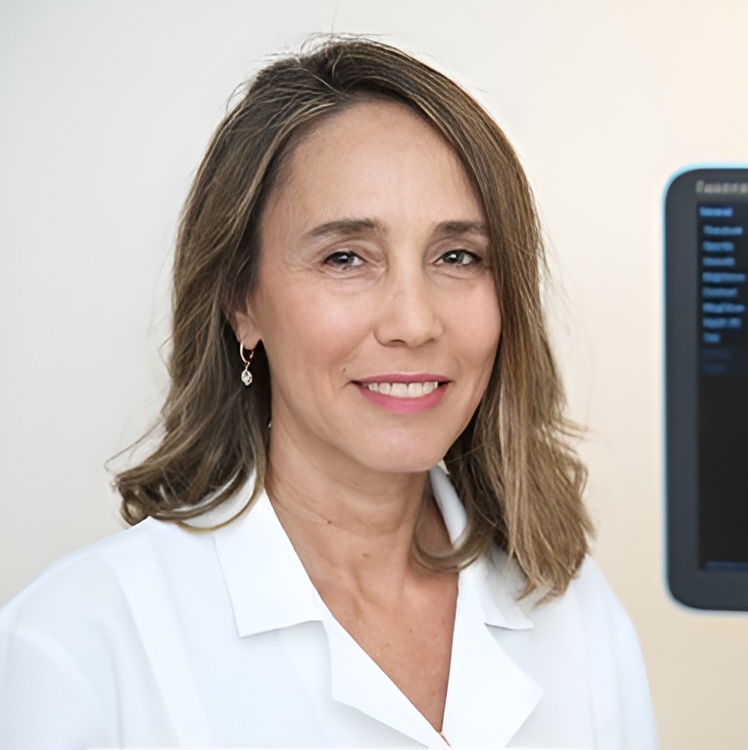
"Prevention saves lives and there are ways to reduce your risk. My recommendation is simple: practice breast awareness, follow screening guidelines and tell your doctor if you have a family history of cancer."
Chair, Department of Obstetrics & Gynecology, Saint George Hospital University Medical Center (SGHUMC); Associate Professor of Clinical Obstetrics & Gynecology, Saint George University of Beirut; Maternal–Fetal Medicine specialist.
Practice breast awareness
People of all ages and genders can practice breast awareness.
Note any changes
Note any changes to the way your breasts look or feel. These changes may include:
- Color
- Hardness
- Skin thickness
- Bumps
- Swelling
When to seek care
If you do notice a change in your breast, you might wonder if you should head to the doctor right away.
However, a woman's breast tissue can change based on their menstrual cycle; breasts may feel denser or softer at different points during the cycle. One cycle is a month, so don't expect things to change within a day.
Instead, keep an eye on the change. If it doesn't go away after a month, make an appointment with your doctor.

Get screened for breast cancer
Breast cancer screening methods depend on your age and risk for breast cancer.
Ages 25-30
Women between ages 25 and 30 can ask their doctor for a breast cancer risk assessment. This can determine whether they are at average or high risk for breast cancer. This risk assessment can also determine when they should begin other types of breast cancer screenings.
Ages 25-39
Women at average risk for breast cancer should receive a clinical breast exam every one to three years between ages 25 and 39. During a clinical breast exam, a health care provider examines the breasts for any lumps or abnormalities.
Age 40+
Starting at age 40, women should receive an annual mammogram in addition to their yearly clinical breast exam. A mammogram, or breast X-ray, allows a doctor to see any abnormalities in the breast tissue that are too small to feel during a clinical breast exam. Mammograms can help doctors detect breast cancer earlier when it is easiest to treat.

Understand breast cancer risk factors
It can be helpful to understand the factors that put someone at a higher risk for breast cancer.
Family history
Breast cancer runs in families. You may be at a higher risk of breast cancer if you have a first- or second-degree blood relative who has or had breast cancer. A first-degree relative is a parent, sibling or child. A second-degree relative is a grandparent, aunt, uncle, niece, nephew or half-sibling.
Genetic mutations
Mutations are abnormal changes in genes. These mutations can be hereditary, which means they are passed down in families. Some genetic mutations can increase the risk of breast and other cancer.

Know your hidden disease risks in
one simple test Explore How This Test Can Help You
myHealthScore is a simple genetic test that helps you understand your risk for common diseases like heart disease, diabetes, and certain cancers. It looks at many small changes in your DNA to uncover hidden risks that regular check-ups might miss.
Tell your doctor about your family history of breast cancer
It is important to let your doctor know if breast cancer runs in your family.
Risk Assessment
Your care team can assess your risk and determine the best screening schedule for you.
Genetic Counseling
Those with family history may benefit from genetic counseling and testing to understand their risk.
Book a Family History Consultation

Focus on healthy habits
Your habits may also impact your risk for breast cancer. Click on a habit to learn more.
Limit Alcohol
Drinking alcohol can increase the risk of breast cancer. For cancer prevention, it is best not to drink. Women who choose to drink alcohol should limit themselves to one drink per day; men should limit themselves to two drinks a day.
Maintain Healthy Weight
Maintaining a healthy body weight is also important for cancer prevention. Post-menopausal weight gain in women may be related to an increased risk of breast cancer. However, weight gain doesn't directly lead to breast cancer. Rather, it impacts hormones and other biological factors. For example, fat tissue can produce estrogen and other hormones that can increase inflammation.
Healthy Diet
Focus on choosing healthy foods. For example, when building your plate, aim to fill two-thirds of it with whole grains, vegetables, fruits, beans, nuts and seeds. The remaining one-third can be lean animal protein or plant-based protein.
Physical Activity
A healthy lifestyle, a balanced diet and getting your cancer screening exams are all important steps to reduce your risk of cancer. Regular physical activity helps maintain a healthy weight and reduces inflammation in the body.
Questions about breast health?
Ask Dr. Marie Chammas here. Fill out the form below and we'll get back to you.
MyHealthScore
Combine multiple genetic markers to refine risk assessment. New guidance (2025) supports PRS in clinical risk evaluation.